Cooling Infrastructure
Cooling solutions are not new in the automotive industry, and they are especially important for autonomous vehicles. In the face of increased computing demands and AV advancements, surprisingly the cooling systems have lagged behind in development.
One of the primary reasons cooling in AV’s has not significantly evolved over the last few years is due to area constraints. There is also a need to ensure systems can withstand harsh environments and the conditions of daily driving. This creates unique design and engineering challenges to ensure proper cooling.
Another is reliability. Unlike products like a computer or smartphone, AV’s and automobiles are expected to last for more than a decade. Often, the cooling must be reliable and durable enough to last for the entire lifespan of the vehicle.
Newer implementations (e.g. immersion cooling) also require specialized components such as pumps, heat exchangers, and tubing, which can be expensive. As a result, many automakers have opted to use air cooling or cold plate systems which has hindered the development of more advanced alternatives.
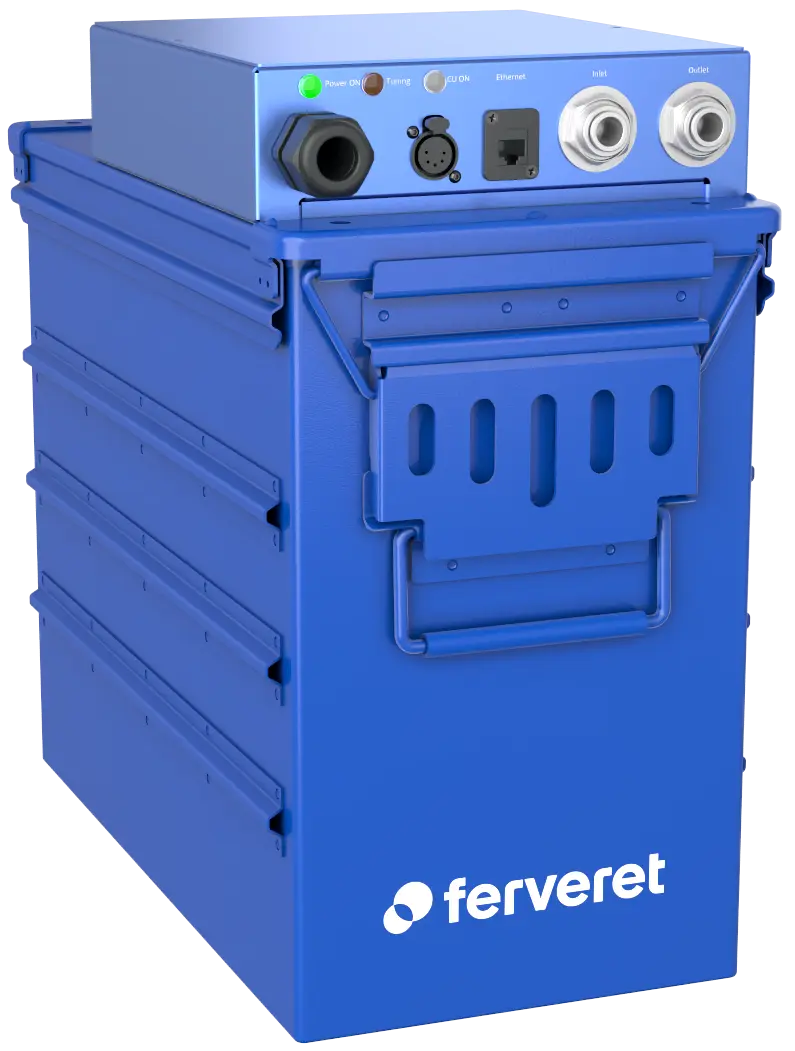
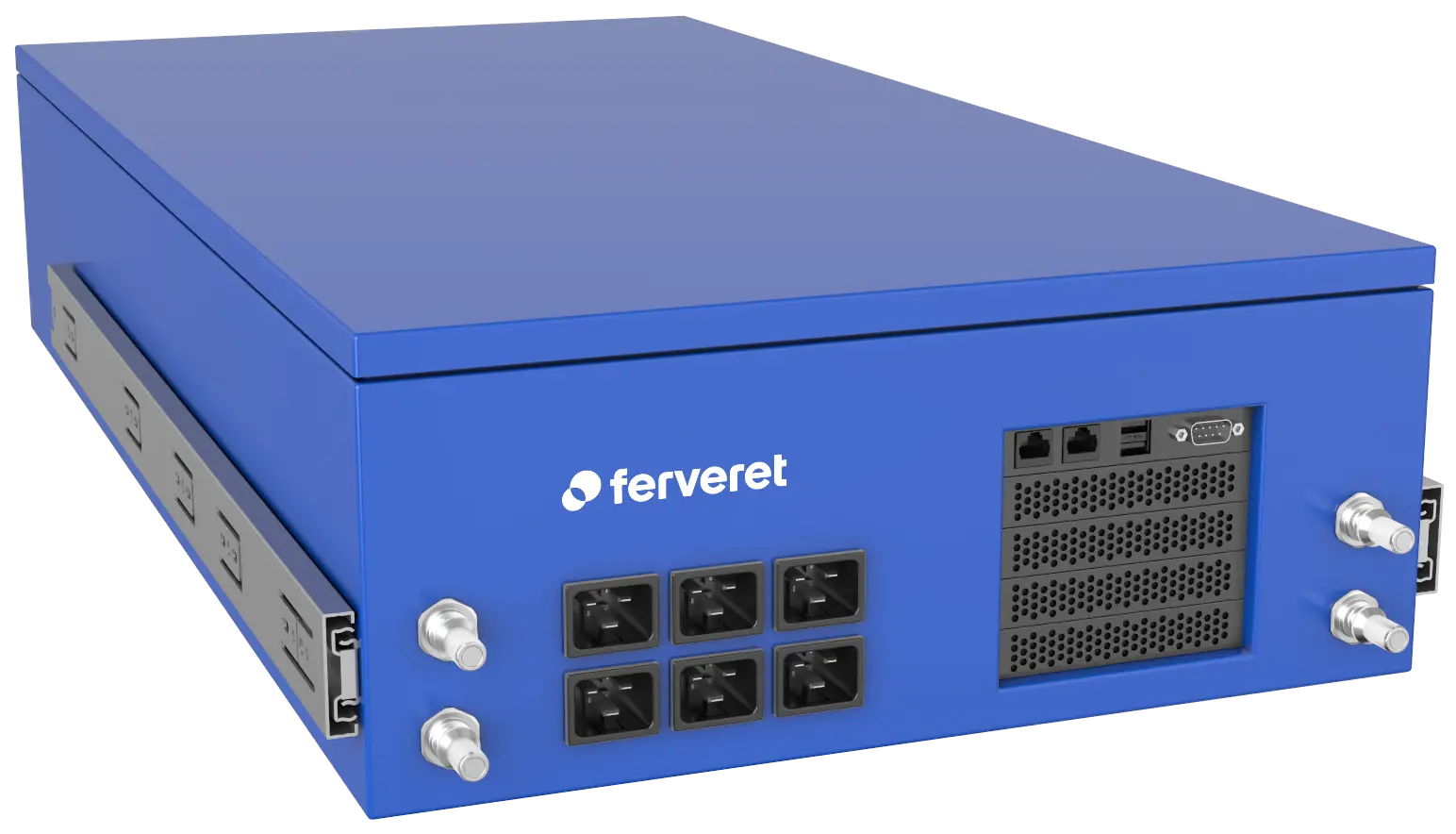
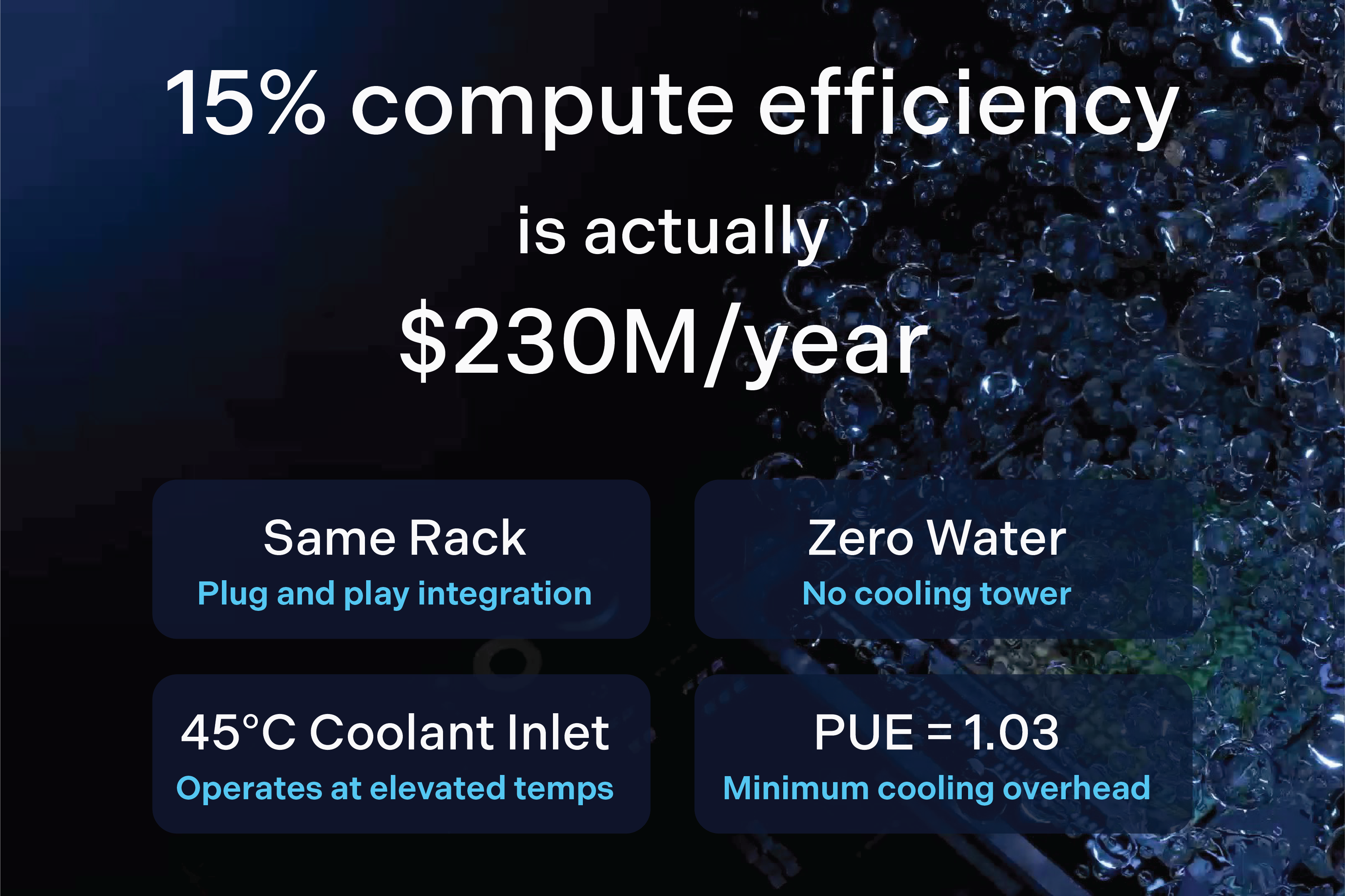
So what can companies do to accelerate this process? One way is for the industry to focus on more efficient and compact designs. At Ferveret, we are showing this is possible through our technology which is inspired by nuclear power plant cooling.
Another is to create open standards and interfaces for AV cooling systems. By doing so, different manufacturers could easily integrate their products into different AV platforms. This is a long shot, but the idea of open source coming to hardware would allow for more collaboration and knowledge-sharing across different industries.
Despite challenges faced today, the automotive world will undoubtedly continue to invest in better cooling options as AV’s become more prevalent. This type of tech is here to stay, and we have only seen the beginning.
Suscribe to our newsletter

See all